🟣 Pillar 1: Basics - Lesson 1.1
Getting Started with Crochet
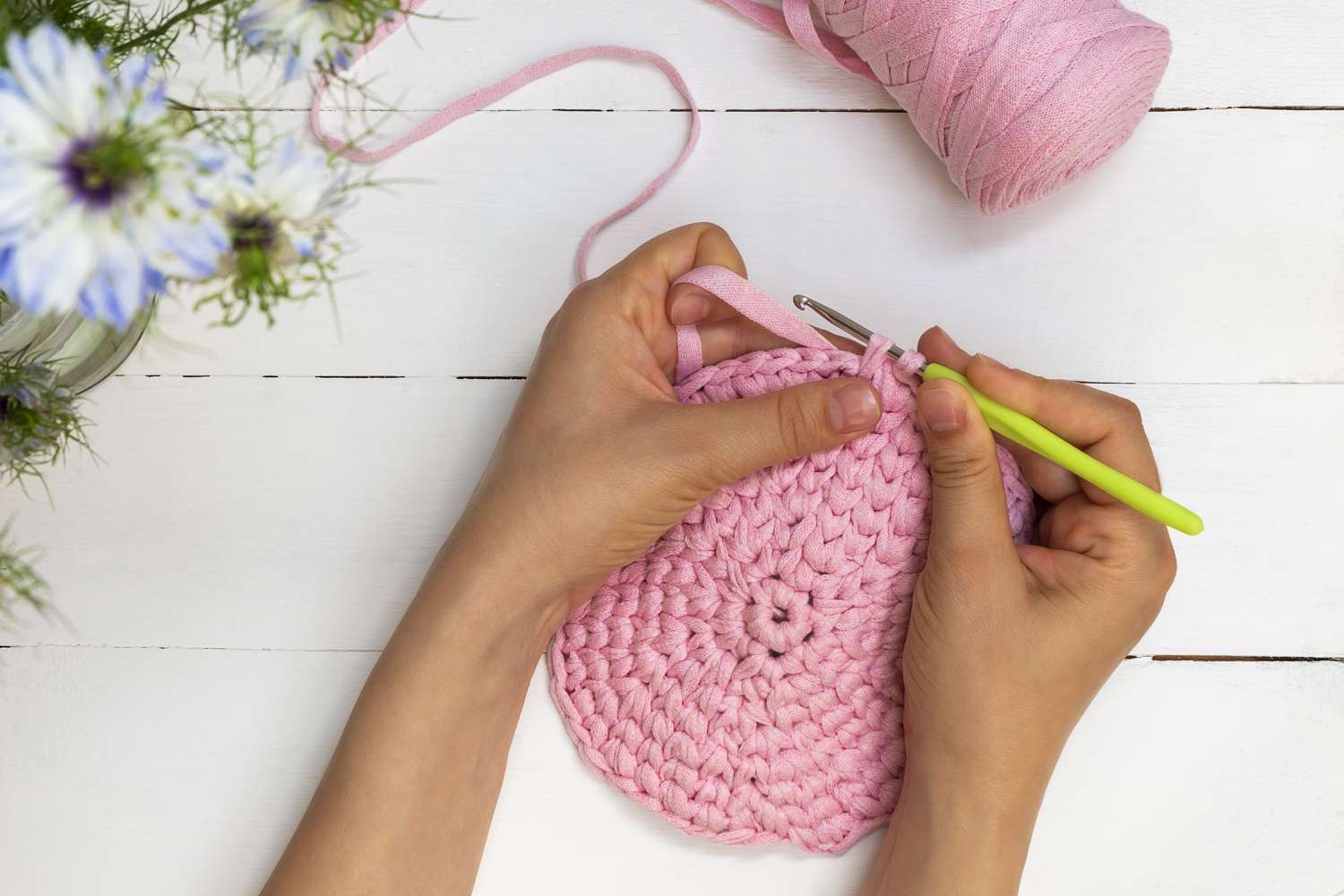
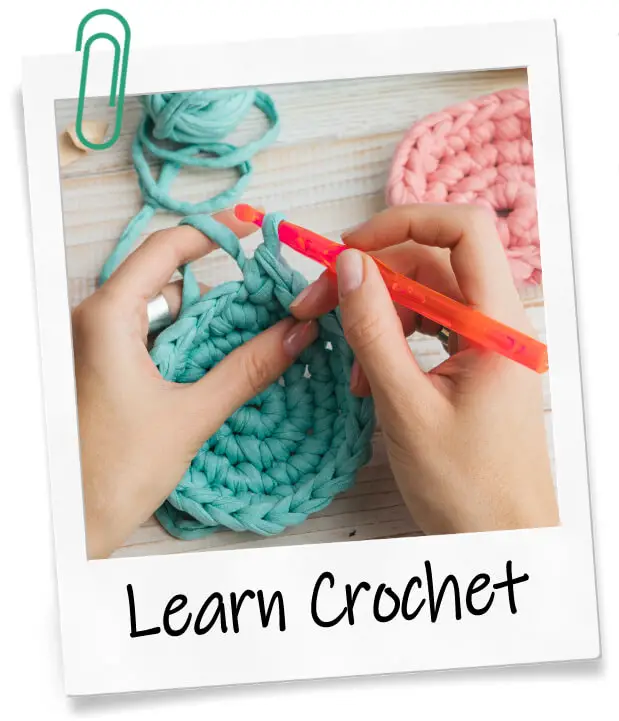
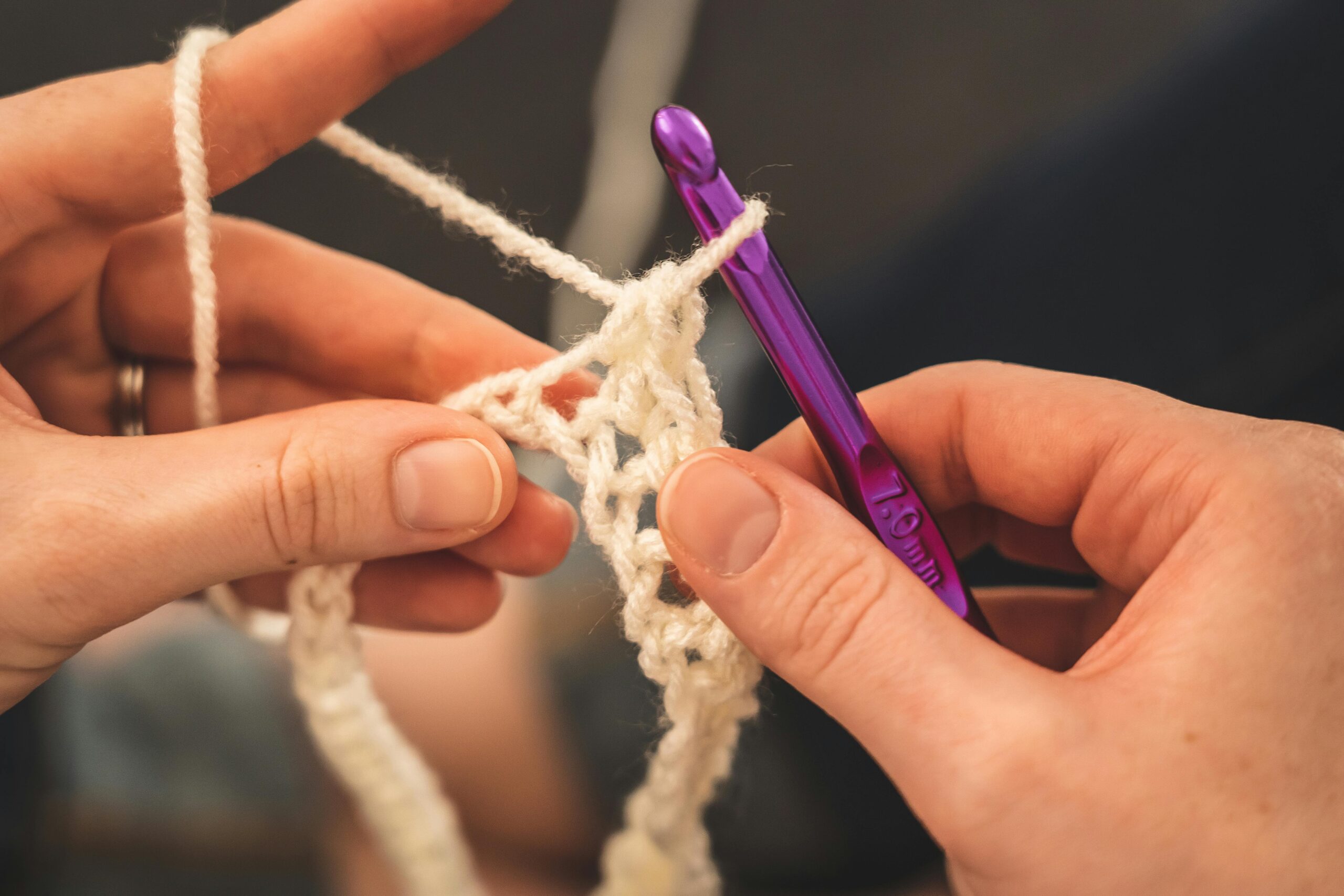
The Concept: Crocheting is the art of creating fabric from yarn using a hooked needle.
Learn about different types of yarn, hooks, and how to hold them. Understand the basic principles of tension and how to start your first chain.
Why Crocheting?
- Creativity: Make beautiful, useful items by hand.
- Relaxation: Crocheting is meditative and reduces stress.
- Community: Join a global network of makers.
- Skill Building: Develop fine motor skills and patience.
🟣 Pillar 1: Basics - Lesson 1.2
Yarn & Hook Lab
🛠️ The Lab: Hands-On Yarn & Hook Test
Step 1 - Choose: Select different yarns and hooks.
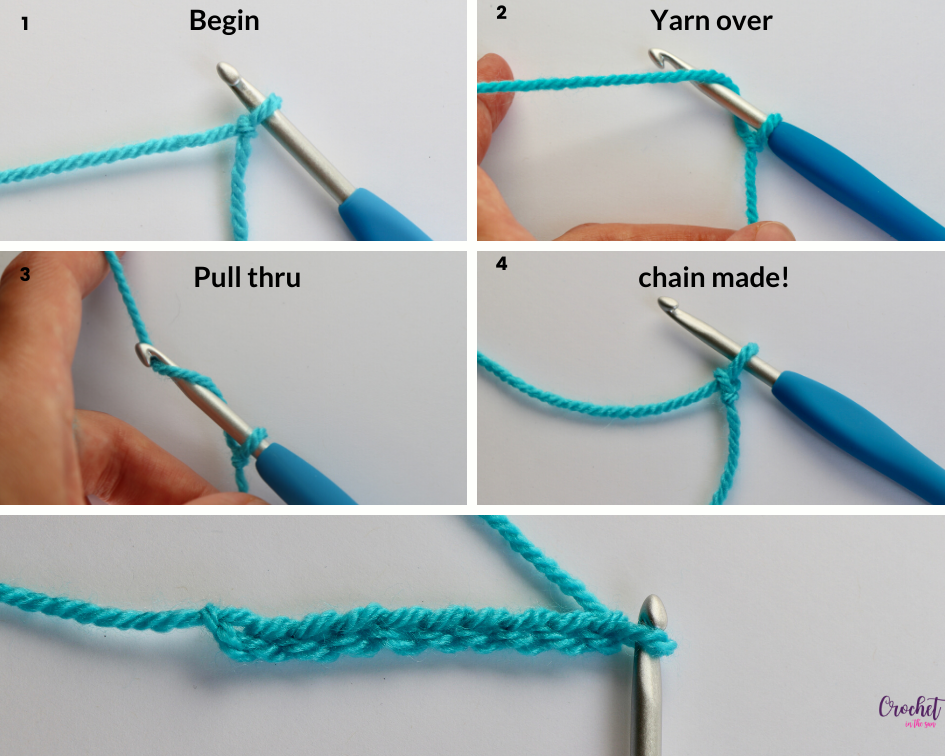
Step 2 - Try: Make a chain with each combination.
Step 3 - Observe: Notice the differences in tension and appearance.
Step 4 - Record: Write down your observations.
Step 1 - Choose: Select different yarns and hooks.
Step 2 - Try: Make a chain with each combination.
Step 3 - Observe: Notice the differences in tension and appearance.
Step 4 - Record: Write down your observations.
What Did You Learn?
- Yarn: Thicker yarns make bigger stitches, thinner yarns are more delicate.
- Hooks: Larger hooks create looser fabric, smaller hooks make tighter stitches.
📝 Your Turn: Document the Lab
🟣 Pillar 1: Basics - Lesson 1.3
Shopping List & Knowledge Check
🛒 Shopping List for Pillar 1: Crocheting Basics
- Yarn (various types and colors)
- Crochet hooks (different sizes)
- Scissors
- Tapestry needle
- Measuring tape
What is the main tool used in crocheting?
Crochet hook
Knitting needle
Sewing machine
🟣 Pillar 2: Stitches - Lesson 2.1
Learning Basic Stitches
The Concept: Mastering basic stitches is the foundation of all crochet projects.
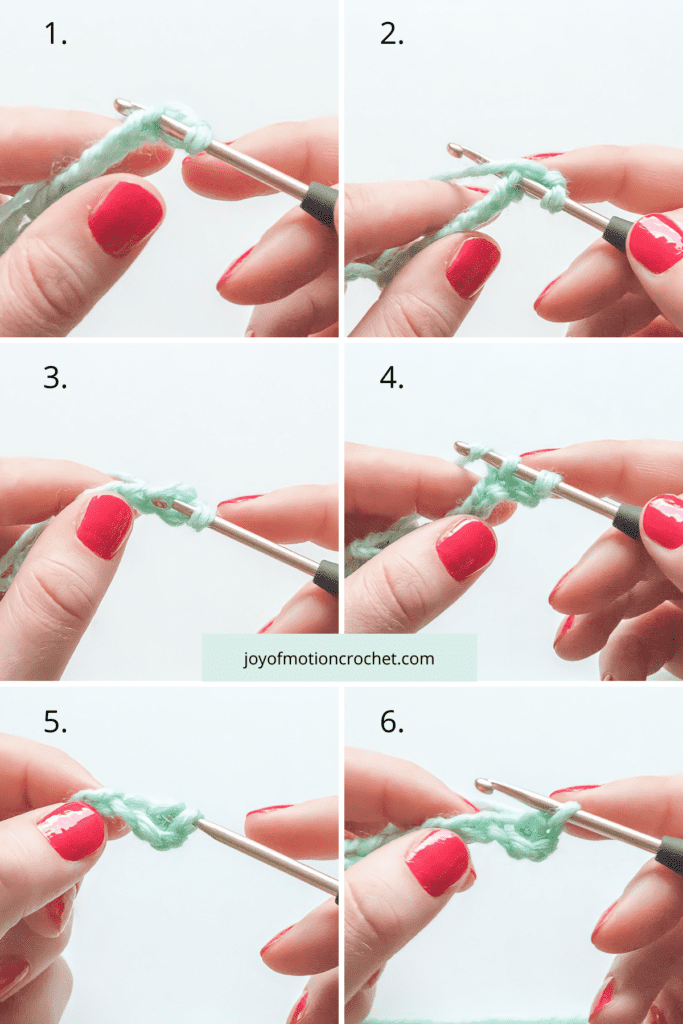
Practice the chain stitch, single crochet, and double crochet. Each stitch creates a different texture and structure.
Why Stitches Matter
- Chain Stitch: The starting point for most projects.
- Single Crochet: Dense and sturdy fabric.
- Double Crochet: Looser, more flexible fabric.
🟣 Pillar 2: Stitches - Lesson 2.2
Practice Challenge
🛠️ The Lab: Practice Your Stitches
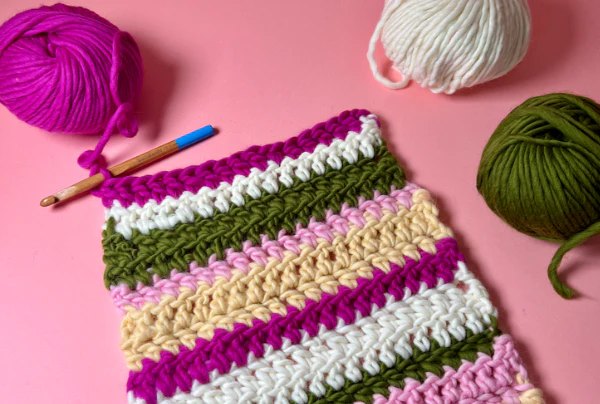
Step 1 - Chain: Make a chain of 20 stitches.
Step 2 - Single Crochet: Work a row of single crochet.
Step 3 - Double Crochet: Add a row of double crochet.
Step 4 - Observe: Notice the differences in texture and height.
Step 1 - Chain: Make a chain of 20 stitches.
Step 2 - Single Crochet: Work a row of single crochet.
Step 3 - Double Crochet: Add a row of double crochet.
Step 4 - Observe: Notice the differences in texture and height.
What Did You Learn?
- Chain: Foundation for all projects.
- Single Crochet: Strong and tight.
- Double Crochet: Fast and open.
📝 Your Turn: Document Your Practice
🟣 Pillar 2: Stitches - Lesson 2.3
Setup & Knowledge Check
🛒 Shopping List for Pillar 2: Stitches
- Extra yarn for practice
- Different hook sizes
- Stitch markers
Which stitch is the foundation for most crochet projects?
Chain stitch
Slip stitch
Double crochet
🟣 Pillar 3: Patterns - Lesson 3.1
Reading Crochet Patterns
The Concept: Patterns are the blueprints for your crochet creations.
Learn how to read written patterns and diagrams. Understand common abbreviations and symbols used in crochet instructions.
Why Patterns?
- Consistency: Follow patterns for repeatable results.
- Creativity: Modify patterns to make unique items.
- Learning: Patterns teach new techniques and stitches.


🟣 Pillar 3: Patterns - Lesson 3.2
Pattern Lab
🛠️ The Lab: Follow a Simple Pattern
Step 1 - Choose: Pick a beginner pattern (like a granny square).
Step 2 - Gather: Get the required yarn and hook.
Step 3 - Follow: Work through the pattern step by step.
Step 4 - Share: Show your finished piece to a friend or online group.
Step 1 - Choose: Pick a beginner pattern (like a granny square).
Step 2 - Gather: Get the required yarn and hook.
Step 3 - Follow: Work through the pattern step by step.
Step 4 - Share: Show your finished piece to a friend or online group.

What Did You Learn?
- Reading: Understanding instructions step by step.
- Execution: Translating words into stitches.
- Creativity: Adding your own twist.
📝 Your Turn: Document Your Pattern
🟣 Pillar 3: Patterns - Lesson 3.3
Tools & Knowledge Check
🛒 Shopping List for Pillar 3: Patterns
- Pattern books or printouts
- Highlighter or sticky notes
- Notebook for notes
What is a common beginner crochet project?
Granny square
Sweater
Socks
🟣 Pillar 4: Projects - Lesson 4.1
Planning Your Crochet Project
The Concept: Planning helps you finish projects successfully.
Learn how to choose a project, gather materials, and set goals for completion. Planning ahead makes crocheting more enjoyable and productive.
Why Plan?
- Organization: Know what you need before you start.
- Motivation: Stay on track and finish your project.
- Success: Achieve beautiful results every time.


🟣 Pillar 4: Projects - Lesson 4.2
Showcase
🛠️ The Lab: Show Off Your Work
Step 1 - Finish: Complete your crochet project.
Step 2 - Photograph: Take a clear photo of your work.
Step 3 - Share: Post it online or show friends/family.
Step 4 - Reflect: Think about what you learned and what you want to try next.
Step 1 - Finish: Complete your crochet project.
Step 2 - Photograph: Take a clear photo of your work.
Step 3 - Share: Post it online or show friends/family.
Step 4 - Reflect: Think about what you learned and what you want to try next.

What Did You Learn?
- Finishing: Completing a project is rewarding.
- Sharing: Inspire others with your work.
- Reflection: Every project teaches something new.
📝 Your Turn: Document Your Project
🟣 Pillar 4: Projects - Lesson 4.3
Final Knowledge Check
What is the best way to improve your crocheting skills?
Practice regularly
Buy more yarn
Watch others only