🟢 Pillar 1: Soil Mastery - Lesson 1.1
Building Living Earth
The Concept: Soil is a living lung. If it's compacted, your plants can't breathe.
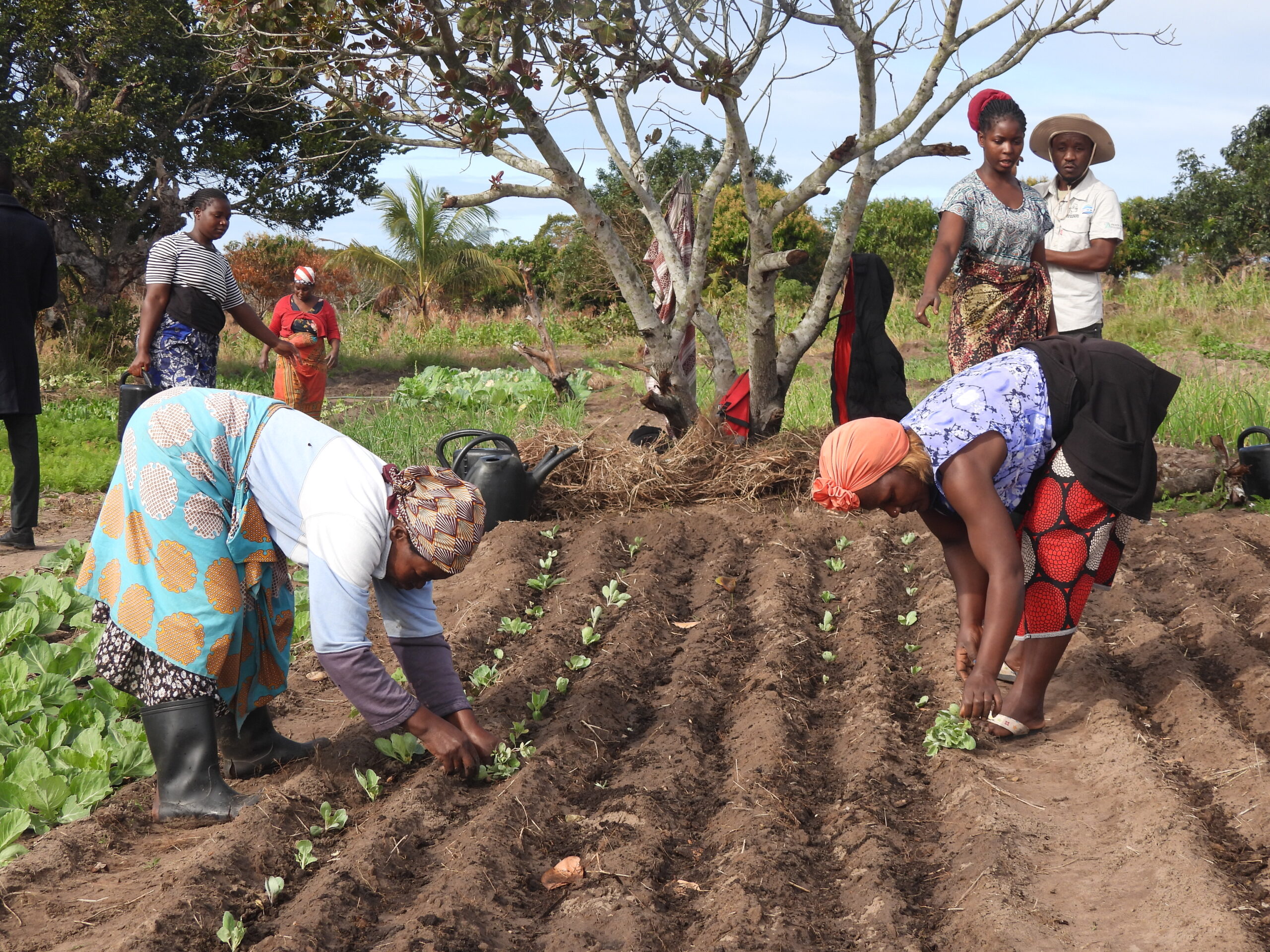
Traditional farming starts underground. The soil is not just dirt—it's a living ecosystem of microbes, fungi, earthworms, and organic matter. When soil is compacted, these organisms suffocate, and your plants cannot access nutrients properly.
Why Soil Health Matters
- Nutrients: Living soil retains minerals that feed plants.
- Water Retention: Aerated soil absorbs water like a sponge.
- Disease Resistance: Healthy microbes outcompete pathogens.
- Crop Yield: Studies show 30% higher yields in aerated, living soil.

🟢 Pillar 1: Soil Mastery - Lesson 1.2
The "Jar Test" (Soil Texture Lab)
🛠️ The Lab: Hands-On Soil Texture Test
Step 1 - Dig: Take a scoop of soil from 6 inches deep.
Step 2 - Shake: Put it in a mason jar with water and a drop of dish soap. Shake for 2 minutes.
Step 3 - Wait: Let it sit for 24 hours.
Step 4 - Observe: Sand settles at the bottom, silt in the middle, and clay on top.
Step 1 - Dig: Take a scoop of soil from 6 inches deep.
Step 2 - Shake: Put it in a mason jar with water and a drop of dish soap. Shake for 2 minutes.
Step 3 - Wait: Let it sit for 24 hours.
Step 4 - Observe: Sand settles at the bottom, silt in the middle, and clay on top.

What Each Layer Tells You
- Sand (Bottom): Drains too fast, holds little water or nutrients.
- Silt (Middle): Ideal balance—holds water but drains well.
- Clay (Top): Retains too much water, suffocates roots.
📝 Your Turn: Document the Jar Test
🟢 Pillar 1: Soil Mastery - Lesson 1.3
Shopping List & Knowledge Check
🛒 Shopping List for Pillar 1: Building Living Earth
- A broadfork or sturdy garden fork (for aeration)
- Quality Compost (look for "OMRI Listed")
- Mulch (Straw or Woodchips)
- Soil pH Test Kit
- Earthworm Bin Starter Kit (optional, $30–50)
❓ What is the ideal soil composition?
🔵 Pillar 2: Hydroponics - Lesson 2.1
Farming in the Air & Water
The Concept: By removing soil, we remove soil-borne diseases and increase growth speed by up to 30%.
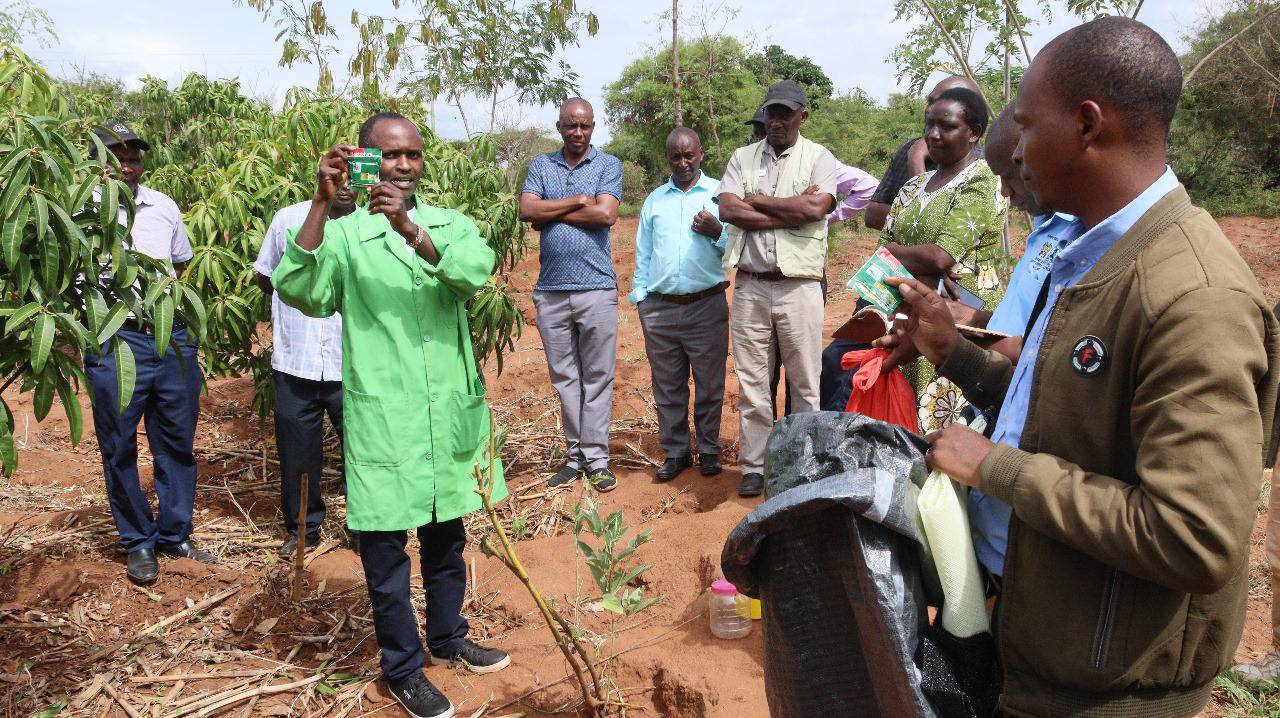
Hydroponics is farming without soil. Plants grow in nutrient-rich water, roots are exposed to maximum oxygen, and you control every variable. The result: faster growth, no soil diseases, and year-round production.
Benefits of Hydroponics
- 30% faster growth than soil farming
- No soil-borne diseases
- Uses 90% less water than traditional farming
- Can grow in any climate, indoors or outdoors
- Perfect for small spaces (apartment balconies, rooftops)
🔵 Pillar 2: Hydroponics - Lesson 2.2
The "Kratky Bottle" Challenge
🛠️ The Lab: Build a DIY Hydroponic System
Prep: Take a 2-liter soda bottle and cut the top 1/3 off.
Flip: Invert the top part into the bottom part (like a funnel).
Fill: Add water mixed with "Masterblend" or "General Hydroponics" nutrients.
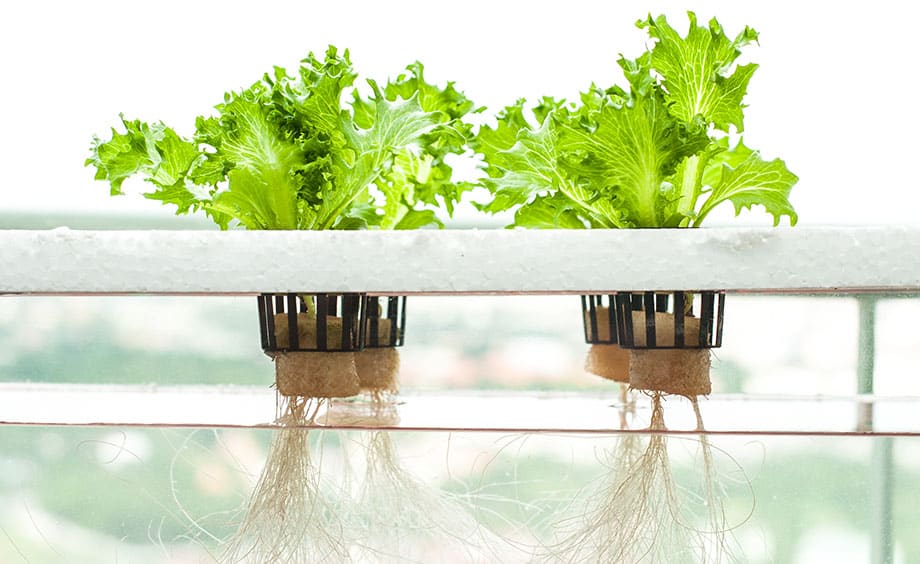
Plant: Place a seedling in a net cup with clay pebbles so the roots touch the water.
Growth: Watch the water level drop as the plant grows—don't refill it all the way! The gap is for "Air Roots."
Prep: Take a 2-liter soda bottle and cut the top 1/3 off.
Flip: Invert the top part into the bottom part (like a funnel).
Fill: Add water mixed with "Masterblend" or "General Hydroponics" nutrients.
Plant: Place a seedling in a net cup with clay pebbles so the roots touch the water.
Growth: Watch the water level drop as the plant grows—don't refill it all the way! The gap is for "Air Roots."
📝 Document Your Kratky System
🔵 Pillar 2: Hydroponics - Lesson 2.3
Setup & Knowledge Check
🛒 Shopping List for Pillar 2: Hydroponics
- Liquid Nutrients (N-P-K specific for Hydro)
- pH Up/Down Adjustment Kit
- Digital pH & EC Meter
- Net Pots and Grow Media (Clay Pebbles or Rockwool)
- Hydroponic System Kit (Kratky, NFT, or DWC) - $50–200
❓ What is the main advantage of hydroponics over soil farming?
🟡 Pillar 3: Plant Health - Lesson 3.1
Defending the Harvest
The Concept: A healthy plant is its own best defense. Pests only attack weak plants.
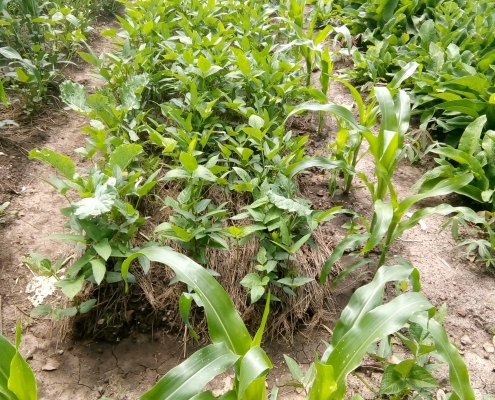
Organic pest control starts with plant strength. When plants are stressed, underfed, or dehydrated, they emit signals that attract pests. The solution is not chemicals—it's prevention through proper nutrition, watering, and crop diversity.
Three Pillars of Plant Defense
- Nutrition: Feed plants regularly with balanced fertilizer.
- Hydration: Water consistently; drought-stressed plants are pest magnets.
- Biodiversity: Plant companion crops that repel pests naturally.
🟡 Pillar 3: Plant Health - Lesson 3.2
The "Beneficial Bug" Hunt
🛠️ The Lab: Insect Identification Challenge
Identify: Go into your garden and find an insect.
Interactive Quiz: Is it a Protector (Ladybug/Spider) or a Pest (Aphid/Caterpillar)?
Action: If it's a pest, don't reach for chemicals first. Use the Three-Finger Squish or a blast of water from the hose.
Identify: Go into your garden and find an insect.
Interactive Quiz: Is it a Protector (Ladybug/Spider) or a Pest (Aphid/Caterpillar)?
Action: If it's a pest, don't reach for chemicals first. Use the Three-Finger Squish or a blast of water from the hose.
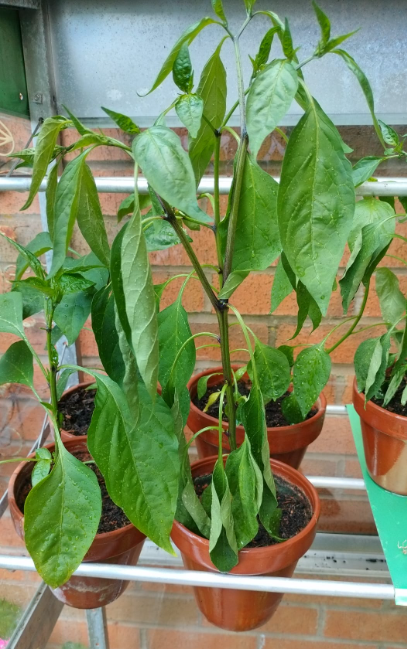
❓ Which insect is beneficial to your garden?
🟡 Pillar 3: Plant Health - Lesson 3.3
Tools & Knowledge Check
🛒 Shopping List for Pillar 3: Plant Health & Protection
- Neem Oil: The "Swiss Army Knife" of organic pest control
- Sticky Traps: Yellow (for gnats/flies) and Blue (for thrips)
- Row Covers: To keep birds and large bugs off young greens
- Beneficial Insect Mix (Ladybugs, parasitic wasps)
- Organic Fungicide (Sulfur or Copper)
❓ What is the first step when you spot a pest in your garden?
🔴 Pillar 4: Farm Business - Lesson 4.1
Growing for Profit
The Concept: Growing food is a hobby; selling food is a profession.
Transitioning from a home garden to a profitable farm requires business thinking. You need to track costs, calculate ROI, manage cash flow, and understand your market. This pillar turns farming knowledge into farming income.
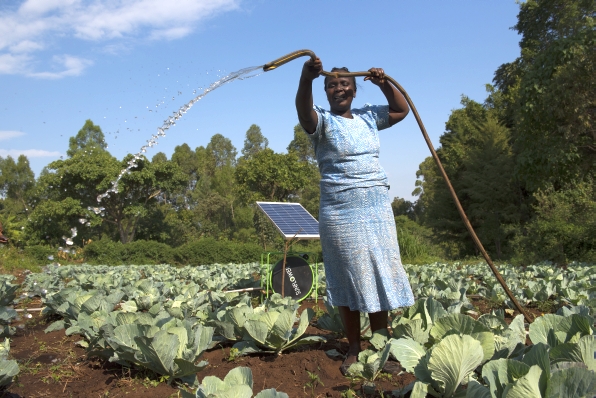
Key Business Metrics
- ROI (Return on Investment): Shows profit margin per crop.
- Cost per Unit: Track the true cost of growing each item.
- Break-Even Point: How many items must you sell to cover costs?
- Gross Margin: Revenue minus cost of goods sold.
🔴 Pillar 4: Farm Business - Lesson 4.2
The ROI Calculator Lab
🛠️ The Lab: Calculate Your First Crop Profit
Fill out this table for your first crop (e.g., Microgreen Radish):
Fill out this table for your first crop (e.g., Microgreen Radish):
| Item | Cost ($) |
| Seeds | $15.00 |
| Trays/Soil | $20.00 |
| Electricity/Water | $5.00 |
| Total Investment (A) | $40.00 |
| Sales Revenue (B) | $120.00 |
ROI Formula:
ROI = (Sales (B) - Investment (A)) / Investment (A) × 100
ROI = ($120 - $40) / $40 × 100 = 200%
✅ This is a success!
ROI = (Sales (B) - Investment (A)) / Investment (A) × 100
ROI = ($120 - $40) / $40 × 100 = 200%
✅ This is a success!
📝 Calculate Your Own ROI
🎓 Final Exercise: The Harvest Journal
Seed-to-Sale Report
🏆 To Pass This Course: Submit a "Seed-to-Sale" report for one crop you've grown (or plan to grow).
Required Report Components
- Crop Choice: Which crop? (e.g., Microgreen Radish, Lettuce, Tomato)
- pH Tracking: Log water/soil pH every 3 days (6+ entries)
- Growth Photos: Germination, seedling, mature plant
- Harvest Data: Weight, quality grade (A/B/C), yield per plant
- Profit Margin: Total investment, total sales, final profit %
- Lessons Learned: What went well? What would you change next time?
📝 Submit Your Harvest Journal
🌾 🎉 🏆
Course Complete!
You are now a Master Farmer. You understand soil, hydroponics, plant health, and farm business. Time to plant your first seed!